
Showing the single result
-
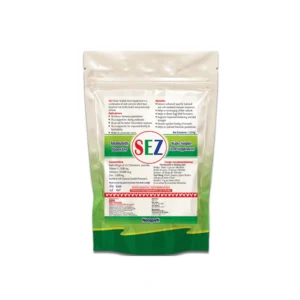 In Stock
Diet is the most influential factor in animal healthcare for avian species. Historically, birds were kept on all-seed diets, but modern veterinary science has proven that seeds are excessively high in fats and dangerously low in essential minerals and vitamins, often leading to “Fatty Liver Disease” (Hepatic Lipidosis) and premature death. A truly balanced avian diet must mimic the nutritional complexity found in the wild, providing a mix of macronutrients for energy and micronutrients for cellular repair and immune function. When a bird is fed correctly, you will see it in the luster of their feathers, the clarity of their eyes, and the stability of their temperament.
How to manage nutrition
- Establish a Base of High-Potency Pellets: Formulated pellets should constitute approximately 60–70% of the bird’s total intake. Unlike seeds, pellets are nutritionally “homogeneous,” meaning the bird cannot selectively eat only the high-fat components. This ensures a consistent intake of the vitamins and minerals required for daily animal healthcare.
- Daily Provision of “Chop” (Fresh Produce): Supplement pellets with a finely diced mixture of vegetables. Focus on dark leafy greens like kale and bok choy for calcium, and orange vegetables like steamed sweet potatoes or carrots for Vitamin A. Vitamin A deficiency is a leading cause of respiratory infections in birds, making this a non-negotiable part of their routine.
- Monitor Mineral and Calcium Bioavailability: Birds, especially breeding females, have a high demand for calcium. Provide a cuttlebone or mineral block, but also consider liquid calcium supplements during molting or egg-laying periods. Calcium is vital for nerve transmission and muscle contractions; a deficiency can lead to “hypocalcemia,” which causes seizures.
- Strict Avoidance of Dietary Toxins: The avian liver is small and easily overwhelmed. Never offer chocolate, avocado, caffeine, onions, or salt. These items contain compounds like theobromine and persin that are cardiotoxic to birds, often resulting in sudden death before animal healthcare intervention is even possible.
- Water Hygiene and Biofilm Prevention: Water bowls must be scrubbed with hot, soapy water at least once- ideally twice- daily. Standing water quickly develops a bacterial biofilm (a slimy coating) that can cause chronic gastrointestinal issues. Stainless steel bowls are preferred over plastic, as they do not harbor bacteria in microscopic scratches.
- Implement Foraging Protocols: Birds are evolved to spend the majority of their waking hours searching for food. Instead of providing all food in a bowl, hide pellets in cardboard boxes or foraging toys. This mental stimulation reduces the stress-induced cortisol levels that lead to feather destructive behavior.
- Sprouted Seeds for Natural Enzymes: If you do feed seeds, offer them sprouted. The sprouting process “unlocks” enzymes and reduces the fat content, turning a dormant seed into a living, nutrient-dense food that supports metabolic animal healthcare.
- Avoid “Fruit Overload”: While fruit is healthy, modern cultivated fruit is much higher in sugar than wild varieties. Limit fruit to 5% of the diet to prevent obesity and fungal overgrowth (Candidiasis) in the digestive tract.
Frequently Asked Questions
Why is my bird only eating sunflower seeds?
Seeds are the “junk food” of the bird world. To transition them, slowly mix pellets with seeds over several weeks until the bird accepts the healthier option.
Can birds eat what I eat?
Only if it is unseasoned and “clean.” Salt, sugar, and oils are extremely taxing on a bird’s tiny kidneys and liver, undermining their animal healthcare.
What are the signs of a Vitamin A deficiency?
Look for “white spots” in the mouth, a flaky beak, and frequent sneezing or respiratory “clicking”.

 Home
Home  Wishlist
  Checkout
  Account
  Dog
Dog Cat
Cat Cattle
 Poultry
 Goats & Sheeps
 Equine
 Fish
Fish Bird
Bird Pharmacy