
Showing 73–74 of 74 results
-
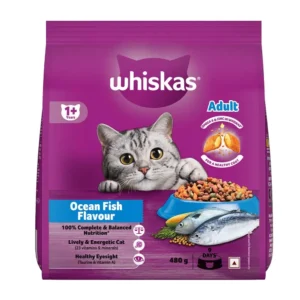 In Stock
 -
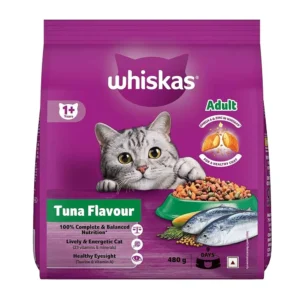 In Stock
Introduction
We understand how important it is to keep in check the kind of food you feed your cat. The foundation of animal healthcare lies in the quality of the food fed to them. Every bite they take impacts their digestion, immunity, and strength. Choosing the best cat food means feeding your cat the nutrients it needs naturally. Cats are obligate carnivores, so they require high-protein diets from meat sources. Cats also need taurine, vitamin A, and B vitamins, nutrients not found in plant-only diets. Providing balanced cat care diets helps prevent common issues like urinary tract problems, obesity, and weak immunity.
Different Types of Cat Food
Dry Food (Kibble): Dry cat food is convenient and affordable, with 8-10% moisture content. Processing ensures long shelf life and dental benefits. However, it often includes more carbohydrates, which may contribute to obesity in indoor cats.
Wet Food (Canned or Pouches): Wet cat food has high moisture content, supporting hydration and urinary health. It’s often softer, easier to chew, and ideal for cats with sensitive stomachs or picky tastes.
Veterinary cat food: For felines with health needs, like kidney disease, lung disease, etc., specialist diets or vet-prescribed diets are vital. Also, keep any allergies or food sensitivities in check to avoid any harmful impact on your feline.
Grain-free cat food: If your cat has food sensitivities, choose the food options free from wheat, corn, and rice. Also helpful for those with high-protein and low-carb requirements.
Chicken-free food: If your cat is poultry-sensitive, these can be your go-to then. It has chicken alternatives like fish, lamb, or duck. It helps reduce itching, vomiting, or digestive issues that come with chicken.
How to Choose the Right Cat Food for Your Cat
Choosing the right food is of utmost importance for your cat’s overall health, energy, and lifespan. Here’s a complete breakdown to help you make the best choice for your feline friend:
1. Consider Your Cat’s Life Stage: Let the age of your cat decide what you feed them.
- Kitten (0–1 year): They need food high in protein and fat for growth. Look for labels like “for growth”, “kitten formula”, or “kitten care”.
- Adult (1–7 years): These require a balanced diet to maintain weight and energy.
- Senior (7+ years): Needs fewer calories and joint/immune support.
2. Know Their Health Conditions: Even when you think you’re feeding them nutritious food, that can be harmful as well if you ignore their specific bodily or health conditions.
Weight-wise: If you’ve an obese cat, choose low-calorie or weight-control formulas to restrict your cat from developing health issues.
Health-wise: If your cat has any disease or health issues, then look for cat food that doesn’t worsen it or helpfully control it. For instance, urinary issues, look for food designed for urinary tract health.
Food sensitivity or allergy-wise: Cats with sensitive stomachs may need grain-free or easily digestible options. And for allergies, try limited-ingredient or hypoallergenic foods. Additionally, get your cat examined and consult your vet.
3. Wet Food vs Dry Food: These are the two popular food choices available for your feline friend. Wet food has high moisture content and is good for hydration. And dry food is convenient and better for dental health. Many vets recommend a mix of both. Choose one according to the taste and requirements of your feline companion.
4. Check the Ingredients: Look for nutritious ingredients. The first ingredient should be real meat (chicken, fish, turkey), and others could be taurine, omega-3s, and vitamins A, E, and D. Avoid fillers like corn, soy, and meat by-products. Also, the natural cat food is the most suitable food for your cat.
5. Read the Label Carefully: Look for tags like AAFCO-approved. It shows that it meets complete nutritional requirements. It’d be good if you pick natural or minimally processed food. And don’t forget to check the allergens if your cat has any sensitivities.
6. Monitor Your Cat’s Response: Your cat’s behaviour reflects what you feed them. If you notice a shiny coat, firm stool, and high energy levels, then it’s a good sign. But if your cat starts vomiting, excessive shedding, or has diarrhoea, switch to some other option or consult a vet.
Deep Clean Weekly: Empty the box fully, wash with mild soap and water, dry thoroughly before reusing it.
Replace Litter: Replace Non‑clumping litter once a week, and clumping/silica litter may need topping up only.
Use Liners & Mats: They prevent mess and make disposal simpler.
Choose Location Wisely: The best locations are the ones that are low-traffic, quiet, and private. Avoid placing near feeding dishes or noisy appliances.
Ventilate Area: Keep the room fresh and avoid overpowering air fresheners near the box.
Frequently Asked Questions
Should I mix dry and wet cat food?
Yes, it is generally safe to mix them both, and it helps balance hydration, variety, and dental care..
How often should I feed my cat?
Two meals daily for adult cats works well. Kittens need more frequent meals (3-4x/day).
Can I feed raw food to my cat?
It is generally not advised, could be done only under vet guidance. Cats need essential nutrients like taurine that may be missing without proper formulation.

 Home
Home  Wishlist
  Checkout
  Account
  Dog
Dog Cat
Cat Cattle
 Poultry
 Goats & Sheeps
 Equine
 Fish
Fish Bird
Bird Pharmacy