
Showing 1–24 of 36 results
-
 In Stock
 -
 In Stock
 -
 In Stock
 -
 In Stock
 -
 In Stock
 -
-
-
 In Stock
 -
 In Stock
 -
 In Stock
 -
 In Stock
 -
 In Stock
 -
 In Stock
 -
-
 In Stock
 -
-
 In Stock
 -
-
-
-
 In Stock
 -
-
In Stock
-
 76%
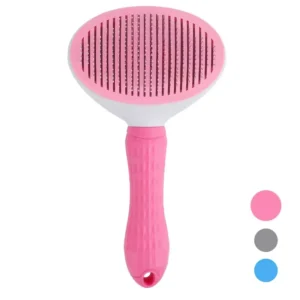
76%Pet Oval Shape Comb | Self-Cleaning Oval Comb for Dogs & Cats
₹110.00 MRP₹450.00(76% OFF)







Caring for your feline friends goes beyond love; it also means paying close attention to their health and daily needs through proper animal healthcare practices. Cats are independent by nature, but that doesn’t mean they don’t require regular grooming and hygiene. In fact, grooming is one of the simplest yet most powerful ways to keep your cat healthy, comfortable, and happy.
There is much more to cat hygiene and grooming than looks. Skin infections, allergies, and parasites are far less likely to occur in a clean, well-groomed cat. Frequent brushing lessens shedding and hairballs while removing debris, loose hair, and dead skin. Plus, it improves blood circulation, which enhances the overall well-being of your cat’s skin and coat. Grooming is an emotional as well as a physical need. The bond you have with your cat gets stronger with each grooming session, which gives them a sense of warmth and affection.
Why Maintaining Cat Grooming and Hygiene Is Essential
However, one of the cleanest animals is the cat. According to research, cats do groom themselves for 15–50% of their waking hours. Though this self-cleaning behaviour is admirable, it does not take the place of routine, careful grooming by professionals or pet parents. Grooming has a direct impact on your cat’s comfort, emotional health, and overall appearance.
1. Prevents Hairballs and Digestive Issues: Hairballs are one of the most frequently occurring issues in cats. During self-grooming, cats swallow loose hair, which could give rise to vomiting, irritation, constipation, digestive blockages, or even loss of hunger if too much builds up in the stomach. Brushing your cat two or three times a week helps keep their gut safe and their digestion smooth by getting rid of extra hair before it gets consumed.
2. Maintains a Healthy Coat and Skin: Hairballs are one of the most frequently occurring issues in cats. During self-grooming, cats swallow loose hair, which could give rise to vomiting, irritation, constipation, digestive blockages, or even loss of hunger if too much builds up in the stomach. Brushing your cat two or three times a week helps keep their gut safe and their digestion smooth by getting rid of extra hair before it gets consumed.
3. Helps Spot Health Issues Early: Cats are very good at masking their suffering. Plenty of illnesses go untreated until they become severe. During grooming time, you might thoroughly check your pet for parasites such as mites, fleas, ticks, wounds, or rashes that require medical care. Problems with dental hygiene can be detected when examining their mouth and face. Your feline friend will receive faster treatment and experience less suffering if the problem is discovered early.
4. Reduces Anxiety and Builds Trust: Emotional care goes alongside thoughtful grooming. It calms aggressive or uneasy cats when done patiently. It makes your relationship with them healthier. Also allows for afraid or newly adopted cats to feel loved and safe. In addition to being physical, brushing and petting your cat signals them that you are taking care of them.
Cat Grooming & Hygiene Essentials
1. Grooming Tools & Techniques
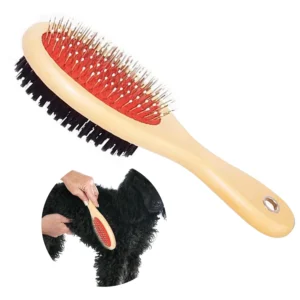
For cats with short hair, brush once a week with a glove brush or soft-bristle brush to reduce shedding and maintain healthy skin. And for long-haired cats, avoid mats and tangles, brush them daily with a slicker or broad-tooth comb.
2. Bath Needs
The vast majority of cats don’t need to be bathed often. Only when a cat is gross, has mats, or has skin conditions are baths required. Bathe your cat only when they are calm, after playing, and use a mild shampoo intended specifically for cats.
3. Nails, Eyes & Ears
Nails are kept healthy and secure by being trimmed every two to four weeks. Further, use a moist cotton pad to gently wipe away eye discharge. Additionally, clean your ears once a week by applying a solution that has been approved by your veterinarian; avoid using cotton swabs to clean them deeply.
4. Dental and Paw Care
Gum conditions can be minimised by brushing teeth a few times a week. Make use of toothpaste that is safe for pets. Additionally, clean paws after using the litter or going for walks. When it’s dry outdoors, trim the fur around the paw pads and apply moisturiser.
Frequently Asked Questions
How do I introduce my kitten to grooming?
Get started with brief, peaceful brushing sessions, followed by play and treats. This creates an ever-lasting good habit.
My long-haired cat hates brushing. What can I do?
First of all, don’t rush. Take it slow, offer treats, use a soft slicker, and split into short sessions. If mats form, consult a professional groomer.
Is professional grooming necessary?
Not always. But it’s helpful for thick, curly, or heavily matted fur, delicate trimming, or specialised bathing.

 Home
Home  Wishlist
  Checkout
  Account
  Dog
Dog Cat
Cat Cattle
 Poultry
 Goats & Sheeps
 Equine
 Fish
Fish Bird
Bird Pharmacy