
Showing all 6 results
-
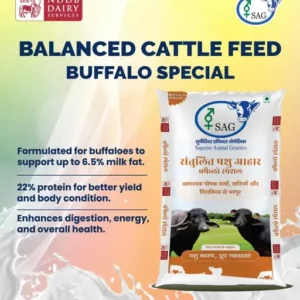 In Stock
 -
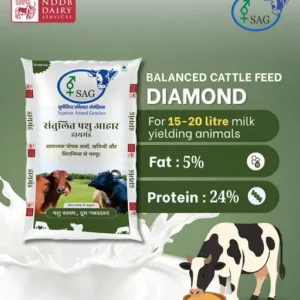 In Stock
 -
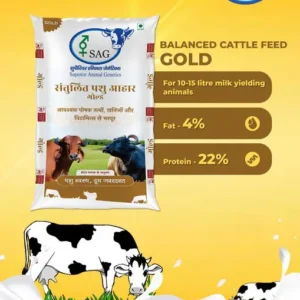 In Stock
 -
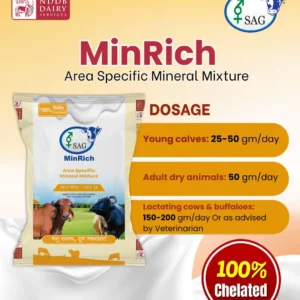 In Stock
 -
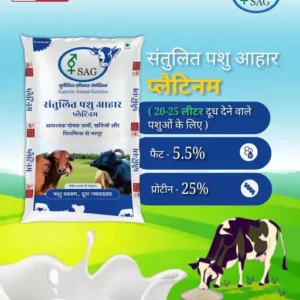 In Stock
 -
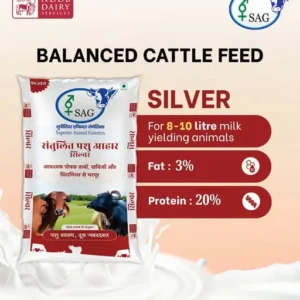 In Stock
The foundation of both farm productivity and livestock health is cattle feed and nutrition. Cattle require a balanced diet to stay healthy, fend off illnesses, and produce better milk or flesh, just like people do. Cattle that are malnourished often develop issues like low fertility, weakened immunity, or decreased milk production. Cattle feed and nutrition are therefore receiving more attention than ever before from farmers and animal caretakers.
We at My Animal are aware of how difficult it can be for farmers to select the best products in a crowded market. To ensure that your cattle receive the accurate nutrition they require at every stage of life, we simplify the process by providing dependable feed solutions as well as expert advice.
Why Cattle Feed and Nutrition Matter
Cattle are far more than livestock to farmers; they are a source of pride, safety and income. Additionally, cattle flourish when their diet is varied, well-balanced, and high in vital nutrients, just like people do. A cow’s resilience, productivity, and eventually the farmer’s income are all directly impacted by her health. Here are some ways that healthy eating is essential:
1. Milk production & quality: Your cow’s milk production is directly impacted by what you feed her. Both yield and fat percentage can be considerably increased by eating a diet high in energy, protein, and minerals. Farmers constantly observe that cows fed a planned diet not only produce more milk but also milk of higher quality, which boosts the cows’ market value.
2. Growth & weight gain: The herd’s future lies with its young calves. During their growing stage, giving them protein, vitamins, and mineral supplements guarantees better muscle development, stronger bones, and a healthy start in life. Calves that are fed an adequate meal grow up to be more productive adults and have lower mortality rates.
3. Reproductive health: Fertility is impacted by nutrition, which goes beyond simply providing food for the body. Higher conception rates, healthier pregnancies, and fewer calving complications are all observed in cows that receive the right amount of energy, protein, and micronutrients. Meanwhile, deficiencies frequently result in abnormal heat cycles and decreased fertility.
4. Disease resistance: The first line of protection against infections is an active immune system. Feed supplemented with minerals such as copper, zinc, and selenium, as well as vitamins A, D, and E, increases natural immunity and lowers the risk of foot-and-mouth disease, mastitis, and other expensive diseases. Lower health care expenses and fewer production losses are associated with healthy cattle.
5. Longevity & productivity: Cattle that eat a balanced diet live longer and experience greater benefits. Cattle that are fed well remain active, maintain optimal body condition, and continue to produce for extended periods of time. This guarantees that the farmer can keep reaping the benefits of the same animal for many years to come and lowers replacement costs.
Types of Cattle Feed
There is much more to cattle feed than just providing hay or grass. It all comes down to offering a well-balanced diet that promotes healthy growth, strong immunity, improved digestion, and increased productivity. Each kind of feed has a distinctive function in supplying cattle’s nutritional needs:
Green Fodder
Because it is high in moisture and fibre, green fodder like berseem, sorghum, or maize is very good for digestion. Adding green fodder regularly keeps cattle occupied and directly increases milk production and quality. Cattle that are fed a lot of green fodder tend to have healthier appetites and shiny coats, according to farmers.
Dry Fodder
Dry fodder includes straw, hay, and husk. Despite their simple appearance, these are essential in offering nourishment and ensuring digestive health. Dry fodder provides energy, supports chewing and rumination, and prevents digestive issues. A proper balance of dry and green fodder ensures cattle don’t face bloating or indigestion.
Concentrates
Cattle require more protein and energy, particularly during growth phases, lactation, and pregnancy. This energy boost comes from concentrates like oil cakes, barley, maize, or wheat bran. They promote weight gain, boost milk production, and strengthen the body as a whole. However, to prevent metabolic disorders, concentrates should always be administered in controlled quantities.
Mineral Mixtures
Regular fodder for cattle frequently lacks important minerals like salt, calcium, and phosphorus. Their diet is supplemented with mineral mixtures for this reason. These avoid deficiencies that can result in decreased milk production, weak bones, or low fertility. Cattle health and farm returns can be significantly improved with just a pinch of the proper mineral mix every day.
Frequently Asked Questions
1. Why is cattle feed important for milk yield?
Proper cattle feed improves both the quantity and fat percentage of milk, directly increasing farm income.
2. What should I feed my calves?
Calves need protein-rich feed, milk replacers, and mineral mixtures to grow stronger and healthier.
3. How often should cattle be fed?
Ideally, cattle should be fed 2–3 times a day, with clean water available at all times.
4. Are feed supplements essential?
Yes, supplements like vitamins and minerals help fill nutritional gaps and prevent diseases.

 Home
Home  Wishlist
  Checkout
  Account
  Dog
Dog Cat
Cat Cattle
 Poultry
 Goats & Sheeps
 Equine
 Fish
Fish Bird
Bird Pharmacy