
Showing 25–45 of 45 results
-
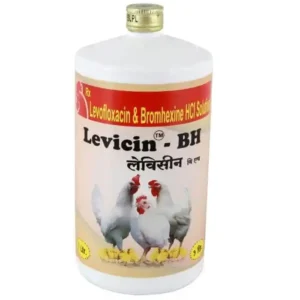 In Stock
 -
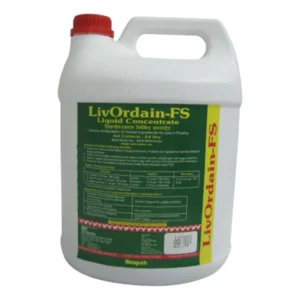 In Stock
 -
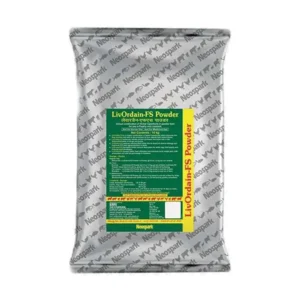 In Stock
 -
 In Stock
 -
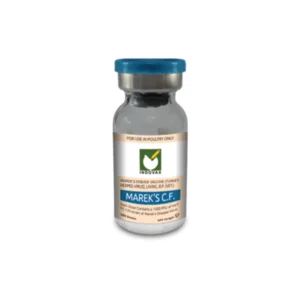 In Stock
 -
 In Stock
 -
 In Stock
 -
 In Stock
 -
 In Stock
 -
 In Stock
 -
 In Stock
 -
 In Stock
 -
 In Stock
 -
 In Stock
 -
 In Stock
 -
 In Stock
 -
 In Stock
 -
 In Stock
 -
 In Stock
 -
 In Stock
 -
 In Stock
Poultry Health & Biosecurity: Protecting Your Flock the Right Way
At MyAnimal, we believe that animal healthcare isn’t just about treatment; it’s about prevention, protection, and care. One of the livestock industries in India with the quickest rate of growth is poultry farming, which makes a substantial contribution to both the economy and food security. Problems accompany expansion, though, as poultry are susceptible to illnesses, infections, and biosecurity threats that, if improperly handled, can destroy entire flocks.
As a result, maintaining the health and biosecurity of poultry has become a crucial component of modern farming. The proper procedures not only safeguard your poultry but also farmers’ livelihoods by enhancing bird immunity and preventing common infections.
How to Ensure Poultry Health & Biosecurity
1. Farm Hygiene & Environment Management: The first step to healthy poultry is a clean farm. The main causes of disease outbreaks are dirty litter, tainted feed, and dirty water. Infections can be significantly decreased by following easy procedures like changing litter frequently, cleaning coops, and making sure the water is clean.
Another important factor is ventilation. Fresh airflow keeps birds stress-free and stops dangerous gas accumulation, such as ammonia. Avoid overcrowding since it lowers the flock’s immunity and raises the risk of respiratory infections.
2. Nutrition & Immunity Boosting: Feeding birds is only one aspect of nutrition; the other is feeding them properly. Faster growth, a more robust immune system, and increased productivity are all guaranteed by a balanced diet that contains the proper proportions of proteins, vitamins, and minerals. Probiotics and immunity boosters are examples of feed supplements that can help lower stress levels during seasonal changes or following vaccination.
Additionally, nutrient deficiencies, which are frequently associated with weak eggshells, poor growth, and increased susceptibility to disease, are less likely to occur in poultry fed high-quality feed. At MyAnimal, we guarantee that you receive reputable feed and supplements supported by veterinary professionals.
3. Vaccination & Preventive Care: One of the most effective defences against diseases that affect poultry, such as Newcastle disease, Infectious Bursal Disease (IBD), and Marek’s disease, is vaccination. Timely protection is ensured by a suitable vaccination schedule that is created in consultation with a veterinarian.
Deworming and parasite control are essential in addition to vaccinations. Lice, mites, and worms are examples of internal and external parasites that can hinder growth, lower egg production, and even spread deadly infections. They can be managed with routine examinations and preventative care.
4. Biosecurity Protocols: The main goal of biosecurity is to prevent disease before it manifests. This entails managing who and what is allowed on your farm. Keep farm visitors to a minimum and ensure they adhere to hygienic guidelines. At entry points, place footbaths and disinfectant sprays. Before incorporating new birds into the flock, place them in quarantine. Because wild birds frequently carry pathogens, keep poultry and wild birds apart.
These little actions can have a big impact. Poor biosecurity measures were found to be the cause of numerous large-scale disease outbreaks that were reported in India.
5. Stress & Welfare Management: Stress has an impact on poultry health, just like it does on humans. Immunity can be weakened by harsh treatment, overcrowding, severe weather, or irregular feeding schedules. Birds can stay active and disease-free by being comfortable, having shaded spots in the summer, and being shielded from the bitter cold in the winter.
When you treat poultry with care and empathy, you’re not just improving productivity, you’re ensuring their overall well-being.
Frequently Asked Questions
Why is poultry biosecurity important?
Biosecurity prevents the introduction and spread of diseases in your flock. Simple measures like restricted access, regular disinfection, and clean feed/water can save farmers from major losses.
What are the most common poultry diseases in India?
Newcastle disease, Avian Influenza, Marek’s disease, and Infectious Bursal Disease (IBD) are the most reported diseases. Regular vaccination and proper farm hygiene help prevent them.
How often should poultry be vaccinated?
It depends on the type of bird and farm size, but generally, poultry need vaccinations starting from day-old chicks, with boosters at regular intervals. Consult a vet for a farm-specific schedule.
Can nutrition improve poultry immunity?
Yes. A balanced diet with added vitamins, minerals, and immunity boosters strengthens the flock’s ability to fight infections naturally.

 Home
Home  Wishlist
  Checkout
  Account
  Dog
Dog Cat
Cat Cattle
 Poultry
 Goats & Sheeps
 Equine
 Fish
Fish Bird
Bird Pharmacy