
Showing 25–44 of 44 results
-
-
-
-
 In Stock
 -
-
 In Stock
 -
 76%
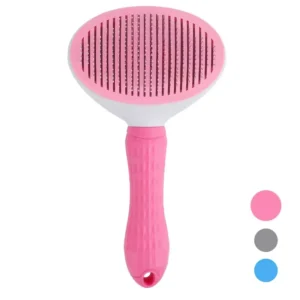
76%Pet Oval Shape Comb | Self-Cleaning Oval Comb for Dogs & Cats
₹110.00 MRP₹450.00(76% OFF) -
 76%
76% -
-
 In Stock
 -
 76%
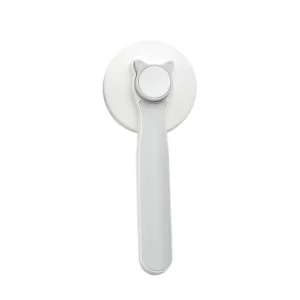
76%Pet Self-Cleaning Comb | Self Cleaning Slicker Brush for Dogs & Cats
₹110.00 MRP₹450.00(76% OFF) -
-
 In Stock
 -
-
 In Stock
 -
 In Stock
 -
 In Stock
 -
 In Stock
 -
 In Stock
 -
 In Stock


Animal healthcare is not limited to taking care of medications; rather, it involves routine practices which seek to prevent illness and improve the overall quality of life. For instance, grooming is a significant factor that influences the overall well-being of your dog. Studies have shown that maintaining a regular grooming routine can cut the risk of skin infections by almost sixty percent and may even help in catching early warning signs of health problems that might otherwise go unnoticed. The act of grooming has a direct connection to overall health, as it results in healthier teeth and paws, as well as shinier coats. Veterinary professionals all over the world agreed upon that preventative care, which includes grooming, may extend the lifespan of a pet by several years.
How to Choose the Right Grooming Tools for Your Dog
Grooming is not just about looks; it’s a big part of your doggo’s health. Studies show that regular grooming reduces skin problems by nearly 60% and helps detect early signs of disease. Whether you own a playful pup or an aged dog, selecting the right grooming tools keeps bath time smooth, safe, and stress-free. Let’s check out what works best for different needs:
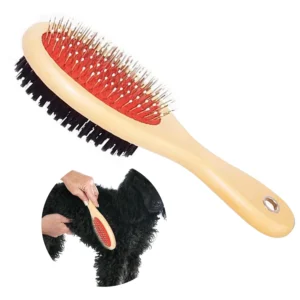
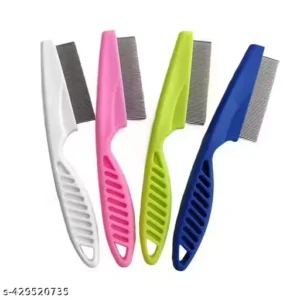
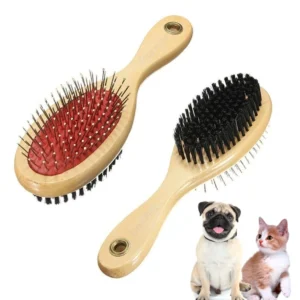
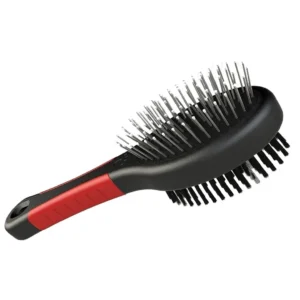
1. Brushes & Combs: That’s the first step to healthy coats. Now the right brush depends on coat type. For instance, slicker brushes work best for long, curly coats like poodles. They prevent matting, which affects 20–25% of long-haired dogs if ignored. And other brushes, like bristle or rubber curry, are ideal for short-haired breeds such as beagles or labs, as they remove loose fur quickly.
Note: Brushing 2–3 times a week reduces shedding by up to 90%.
2. Clippers & Scissors: Safe and smooth trims are vital in keeping your pet dog tidy. For instance, clippers used for trimming are quite helpful for elderly dogs. Cordless clippers with guards provide safety and ease. Curved scissors (shears) are best for delicate areas like paws and the face. Dogs with untrimmed coats are twice as likely to develop skin infections.
Chewy Cat Treats: They tend to be a little stretchy but soft. Cats who like to chew and nibble slowly are going to love these. Ideally suited for elderly cats with sensitive teeth as well.
3. Nail Trimmers & Grinders: As overgrown nails can cause joint pain and affect posture, these are quite helpful in keeping the paws comfortable. For newbies, guillotine-style clippers are a beginner-friendly option. And rotary grinders help with smoother finishes, especially when you have an anxious dog. If nails click on the floor, they’re too long. It has been widely observed that long nails affect nearly 1 in 3 dogs at vet visits.
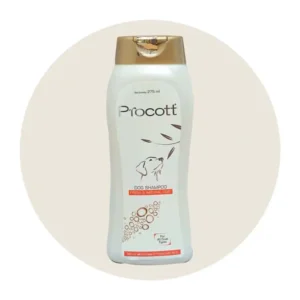
4. Shampoos & Conditioners: While choosing shampoo or conditioner for your dog, choose their skin-friendly options. Make sure to avoid human shampoos on your doggo as they disrupt a dog’s skin pH. Always choose dog-specific, pH-balanced shampoos. Medicated shampoos (anti-bacterial or anti-fungal) are essential for treating infections.
Note: Roughly 17% of dogs suffer from skin allergies, hence making the right shampoo crucial. Oatmeal-based shampoos are proven to soothe sensitive skin.
5. Ear, Teeth & Paw Care:
Ear infections affect 20% of dogs annually. To avoid it, clean them weekly with cotton pads and gentle cleansers. Dental disease impacts 80% of dogs over age 3, so brushing daily or at least 3 times a week is highly recommended. And wash paws after walks and apply paw balm in hot summers or cold winters.
Must-Have Health Products for Dogs
Caring for your dog goes beyond food and play; it’s more about ensuring their long-term health and hygiene. According to the American Veterinary Medical Association (AVMA), nearly 80% of dogs develop dental issues by age 3 if oral care is ignored. Similarly, studies show that regular grooming reduces skin infections by 40%. That’s why stocking up on the right health products is essential for hygiene or minor health concerns:
1. Quality Grooming Brushes & Comb Kits
The ideal brush guarantees the health and shine of your dog’s skin and coat. The reason it’s important is that itching and skin infections are more common in dogs with tangled coats. That’s why it’s advised to go with a bristle brush for short coats and a slicker brush for long-haired breeds. Also, it has been claimed that brushing three to four times a week reduces shedding by 90%.
2. Dog-Safe Cleansers
There is an abundance of quality among shampoos. Using harsh products meant for humans can lead to discomfort. Shampoos and wipes for dogs that have a pH balance are the best options. This protects against dryness, rashes, and infections caused by fungi. In 2022, a survey on the health of pets discovered that one in every five dogs is vulnerable to skin allergies caused by improper cleaning products.
3. Nail Care Tools
Nails which have grown long enough can cause complications with posture as well as acute cracks. Clippers, grinders, and styptic powders are essential items that should be carried around in case of accidental cuts. Every three to four weeks, trim your nails. The symptoms of arthritis can be caused by nails that were not properly trimmed, according to veterinarians.
4. Shedding Control Aids
These grooming supplies are a relief for breeds that shed at different times of the year. A few of the readily available options include lint rollers, anti-shed shampoos, and de-shedding blades. It prevents allergens from entering the home and minimises hair loss. It has been proven by the Asthma and Allergy Foundation of America that pet dander is one of the top five allergens that can be found inside.
Frequently Asked Questions
1. How often should I groom my dog?
It depends on the breed you have.
Long-haired breeds: every 4–6 weeks
Short-haired: every couple of months
Also, adjust based on season and shedding levels.
2. Can I groom my dog at home safely?
Yes, with proper tools, technique, and calm encouragement, grooming becomes safe and rewarding. Be consistent and patient while attempting.
3. Is brushing really needed if my dog isn’t shedding much?
Absolutely. Professional groomers often detect early health issues that humans miss. Even low-shedding dogs benefit from regular touch-based grooming.
4. Should I use human shampoo on my dog?
Never. Human shampoos can disrupt a dog’s pH balance and irritate skin. Always use dog-specific, dermatologically safe products.

 Home
Home  Wishlist
  Checkout
  Account
  Dog
Dog Cat
Cat Cattle
 Poultry
 Goats & Sheeps
 Equine
 Fish
Fish Bird
Bird Pharmacy