
Showing 1–24 of 31 results
-
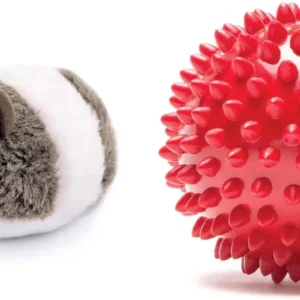 In Stock
 -
-
-
-
-
-
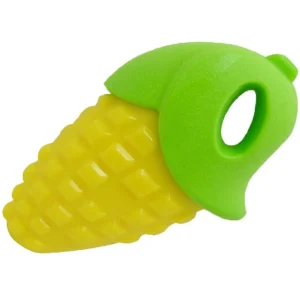 In Stock
 -
-
-
-
-
-
-
 In Stock
 -
-
-
-
-
-
-
-
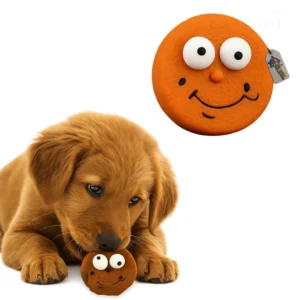 In Stock
 -
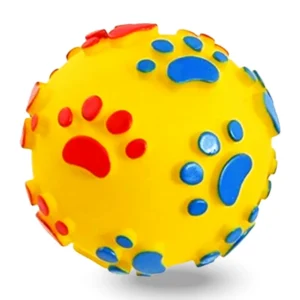 In Stock
 -
 In Stock
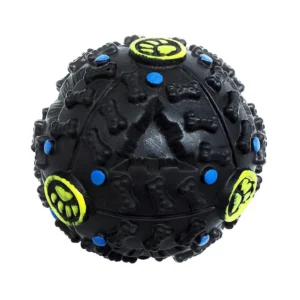

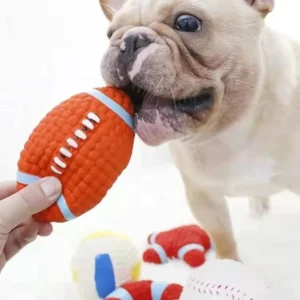
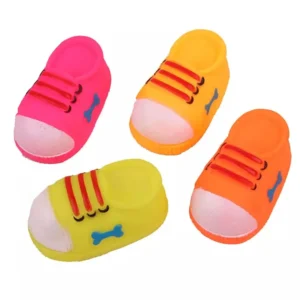

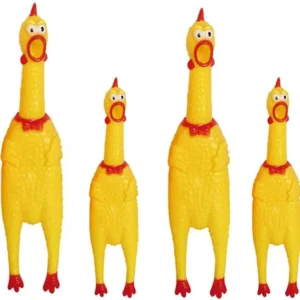

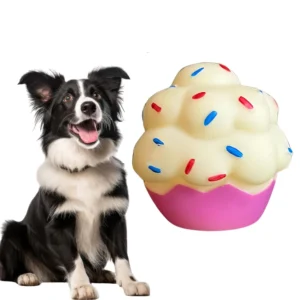
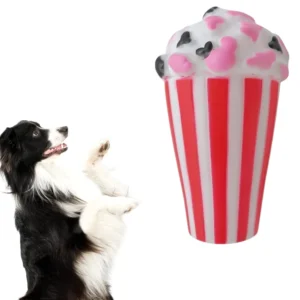
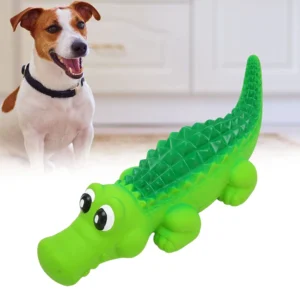
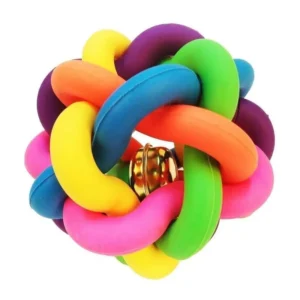
Durable dog toys made for chewing, chasing, and endless fun
Toys are not just fun, but much more than that. When it comes to animal healthcare, adding your dog’s daily life with the right toys can make a huge difference. The importance of keeping dogs’ mental and physical health can be seen by the growing global market, which is expected to reach $4.16 billion in 2025 and grow at a nearly 8.5% CAGR. Dog toys are beyond just playthings in India and across the world; they encourage wellbeing, keep dogs from getting bored, and deepen the bond between them and their caretakers.
Most popular dog toys loved by pets and recommended by vets
The physical and emotional health of your beloved dog is linked to the toy you opt for. Here are the most common varieties that veterinarians recommend and that dogs all over the world love:
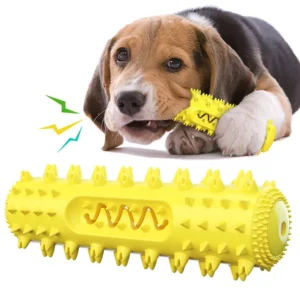
1. Chew toys: These happen to be the best for puppies going through the teething process because they ease sore gums and lessen adverse chewing. By strengthening their jaws and removing plaque, they help adult dogs maintain good oral health.
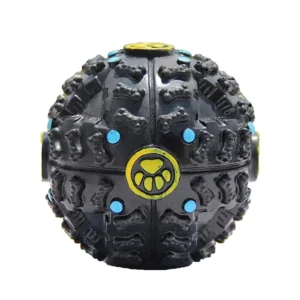
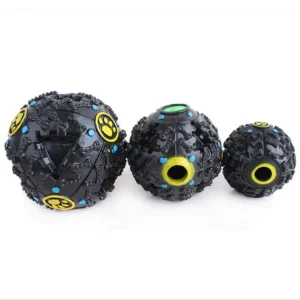
2. Interactive toys: Puzzle toys, treat dispensers, and hide-and-seek games are a couple of interactive toys that develop problem-solving abilities. More specifically, indoors, they offer mental stimulation, alleviate anxiety, and avoid boredom.
3. Squeaky toys: These toys appeal to your furry friend’s inbuilt prey instincts because they provide sounds. They keep dogs engaged and stimulated during playtime.
4. Soft Toys: Especially for puppies or dogs who suffer from separation anxiety, soft and cuddly plush toys often transform into psychological comfort items. For more fun, some also include crinkly materials.
5. Fetch toys, such as frisbees and balls: Fetch toys are timeless and adaptable, making them perfect for outdoor play. Through interactive play, they improve the bond between pet and owner, promote physical activity, and boost adaptability.
How to Choose the Right Toy for My Dog
While picking the right toy up for your doggo, ensure the following factors are checked:
1. Consider Size & Age: Puppies, smaller dogs, and larger dogs each have different needs. A toy that’s too small can be a choking hazard for puppies, while too big can be frustrating. Choose the ones that are appropriate according to their size. On the other hand, get larger dog toys that can handle their chewing strength and are durable.
2. Choose the Right Material: Rubber, nylon, and plush are common materials to go for. For aggressive chewers, go for durable, non-toxic rubber toys and wood toys. For gentler dogs, plush or squeaky toys work well, but make sure they’re washable.
3. Match Toy to Purpose: There are plenty of toy types. But pick one at a time according to your dog’s current needs so your dog gets both physical and mental benefits. For instance,
Teething: If your puppy is teething, chew toys would be the go-to option as they help soothe pain.
Exercise: Engaging your lazy doggo can be a bit of a challenge. Fetch toys help you do that easily and even strengthen your bond with them.
Boredom: Yes! Even dogs get bored and need to have some fun. Puzzle toys give them mental stimulation and make them more independent as they learn to solve problems on their own.
Comfort: Plush toys provide the maximum comfort and security when your furry companion is not feeling good for any reason.
4. Ensure Safety: Check for loose parts or toxic dyes. Toys should be washable and easy to inspect. Always supervise your dog when introducing a new toy. Additionally, you can even rely on vet-approved dog toys or ask our vet for that matter.
Frequently Asked Questions
What toys should I get for my dog?
Pick toys based on age & chewing habits. For instance, soft toys for puppies, tough rubber for strong chewers, and puzzles for mental stimulation.
Why isn’t my dog playing with his toys?
It could be boredom, illness, or the toy doesn’t suit your dog’s play style. Try different textures, sizes, or interactive toys to spark interest.
How often should I replace my dog’s toys?
Replace toys when they’re damaged, dirty, or ignored. Check weekly for tears or missing parts to ensure your dog’s safety.

 Home
Home  Wishlist
  Checkout
  Account
  Dog
Dog Cat
Cat Cattle
 Poultry
 Goats & Sheeps
 Equine
 Fish
Fish Bird
Bird Pharmacy