
Showing 1–24 of 25 results
-
 8%
8% -
 4%
4%Absolute Calcium Milk Bone Calcium Large
₹480.00 MRP₹500.00(4% OFF) -
 In Stock
 -
 In Stock
 -
 In Stock
 -
 In Stock
 -
 In Stock
 -
 In Stock
 -
 In Stock
 -
 In Stock
 -
 In Stock
 -
 In Stock
 -
-
-
-
-
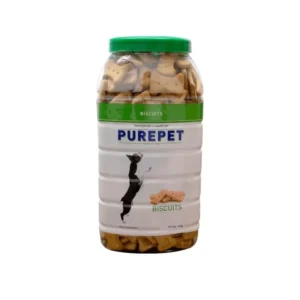 In Stock
 -
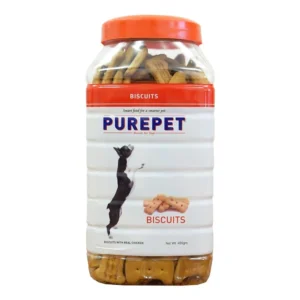 In Stock
 -
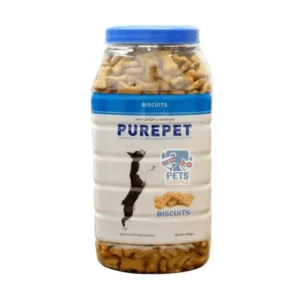 In Stock
 -
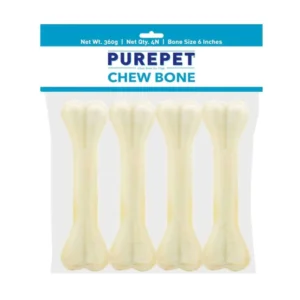 In Stock
 -
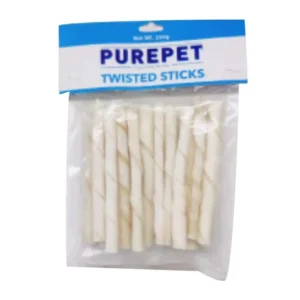 In Stock
 -
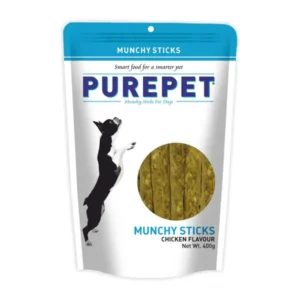 In Stock
 -
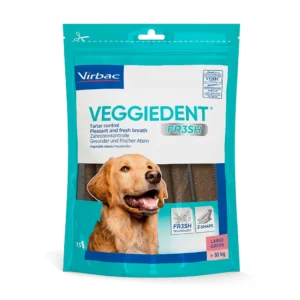 In Stock
 -
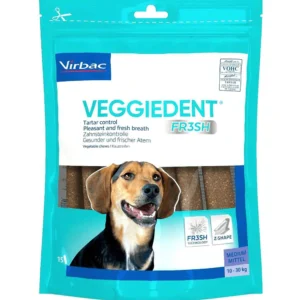 In Stock
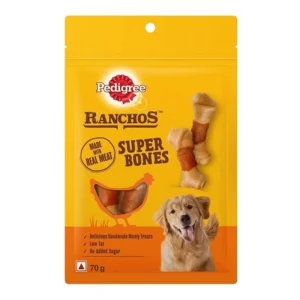
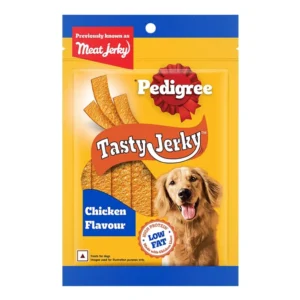
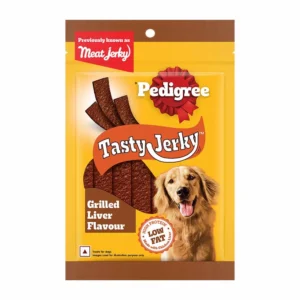
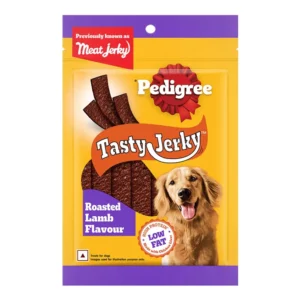
Nutritious treats & chews your dog will love every day
Let’s just be honest! Your dog also needs to have some fun. So, how about treats that are embedded with nutrition? Because even if it is a treat, we can’t share with you anything that doesn’t take animal healthcare and wellness into account. And treats for your furry friend aren’t just snacks; they’re moments of joy, happiness, and expression of love. Think of the spark in your doggy’s eyes when they hear the crinkle of that cookie pack. It not only strengthens your bond with them but also provides health and mental stimulation. It’s emotional as well as nutritional. That’s why we designed our dog treats and chews segment, keeping in check to support health and the bonds that matter most.
Trusted treats & chews brands we’ve handpicked just for your doggo
We’ve a list of vet-approved and lab-tested brands that offer taste, nutrition and health:
- Pedigree
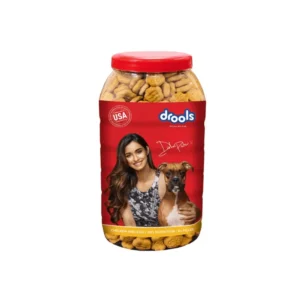
- Drools
- Dofo
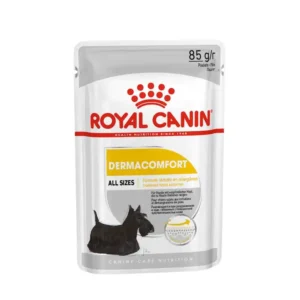
- Royan Canin
We agree that different dogs would have different needs, and so does your dog. It is found that an average pet parent treats their pet dog at least once a day. And we are really concerned about what you feed them. That’s why we’ve curated segments of healthy and tasty treats and chews for you to choose from, because a cheat meal can be healthier. Every treat we select is lab-tested for hygiene and nutrient levels
How to choose the best treat for my dog’s needs
No matter what age your dog is, they’re always going to love treats and chews. So why not choose the healthier version of them? Choosing the right treat goes beyond taste; it’s about nutrition, purpose, and your pet’s unique needs. Here’s everything to consider:
1. Age & Size: Puppies and senior dogs need softer, smaller treats that are perfect for repeated rewards, and on the other hand, larger breeds or adult pets can handle harder or chewier options.
2. Health Condition: If your pet has allergies, diabetes, or digestive issues, look for treats that are grain-free, low-fat, or vet-recommended. Also, it is advisable to get in touch with your veterinarian.
3. Purpose: It depends a lot on the purpose you’re looking for treats. For instance, if you’ve a pup and you’re looking to train them, training them with bites, low-calorie treats, and puppy treats would be best. Because they’re tiny, soft, and motivating, they’re perfect for repeated rewards. Research indicates that when pet parents use treats to reinforce commands during puppy classes, their pups will sit more quickly than those who are not trained with treats. So choose the treat based on your goal, like oral care, mental simulation, etc.
4. Ingredients: Always check the label. Go for treats made with natural, recognisable ingredients. Avoid artificial colours, preservatives, or added sugars for your pet’s better health. Don’t forget to check the calorie count on the pack to avoid weight gain in dogs.
5. Unique preferences: It is vital to keep in consideration your dog’s choices. Some pets love crunchy biscuits, others prefer jerky or soft chews. Notice and feed what your pet enjoys most. It’s just another way of saying I understand you.
Treating Dog with Care: Portion & Frequency Guide
Giving your pet treats is a great way to bond, reward good behaviour, or simply make them happy. But too many can do more harm than good. Here’s a simple guide to help you treat with love and responsibility:
1. Daily Guide: Treats should make up no more than 10% of your pet’s daily calorie intake. Overfeeding treats can lead to obesity, poor digestion, or even nutrient imbalance.
Tip: Rotate treat types to avoid boredom or nutritional gaps.
2. Portion Control: Portion depends on the pet size and could vary depending on the treat’s packaging for feeding instructions (don’t forget to read it). Here’s the recommended portion size:
- Small Dogs 2–3 mini treats
- Medium Dogs 3–5 average-sized treats
- Large Dogs 5–7 treats (or as advised by your vet)
3. Vet Insight: Every pet is unique. Some may have allergies, sensitive stomachs, or weight issues that need special attention. Always talk to your vet before introducing a new treat, especially for senior pets or those with chronic illnesses.
Tip: Soft treats may suit older pets with dental issues better than hard biscuits.
Frequently Asked Questions
Can dog treats cause weight gain?
Only if they exceed 10% of daily calories. Choose low-calorie or veggie treats when needed.
Can I give my dog dental chews daily?
Dental sticks can be fed daily, but only in moderation. Some of the dental sticks pose serious dangers. It is advised to check with your vet before feeding your dog.
What should I feed my dog with allergies?
Grain-free treats, hypoallergenic treats, or limited ingredient treats are ideally suited for sensitive pets. Always monitor for reactions.

 Home
Home  Wishlist
  Checkout
  Account
  Dog
Dog Cat
Cat Cattle
 Poultry
 Goats & Sheeps
 Equine
 Fish
Fish Bird
Bird Pharmacy