
Showing all 8 results
-
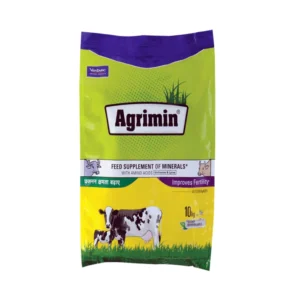 In Stock
 -
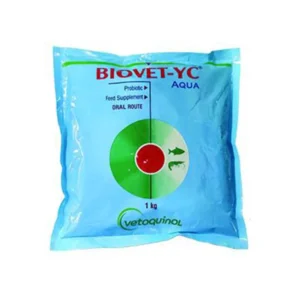 In Stock
 -
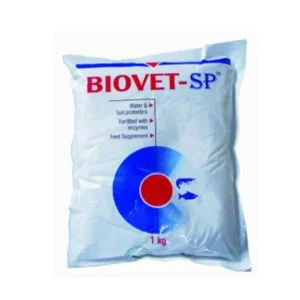 In Stock
 -
-
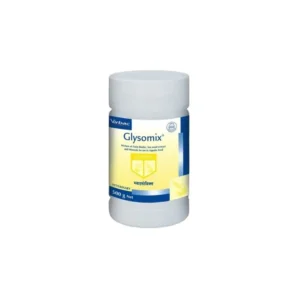 In Stock
 -
 In Stock
 -
 In Stock
 -
Proper fish feed and nutrition are essential parts of animal healthcare, especially in aquaculture. Healthy feeding supports faster growth, disease resistance, and higher survival rates. According to the FAO, feed accounts for nearly 40–60% of total aquaculture production costs, making the right nutrition critical for farmers.Whether you raise carp, catfish, tilapia, shrimp, or ornamental species, understanding what, when, and how much to feed directly impacts fish health and your farm’s overall productivity.
How to Choose the Best Fish Feed
1. Understand Your Fish’s Dietary Needs
Different species require different nutrition. Herbivores, carnivores, and omnivores each have unique diets. Bottom-feeders like catfish prefer sinking pellets, while surface feeders do better with floating feed. Your goal—growth, colour enhancement, or breeding—also helps determine the right type of feed.
2. Check the Nutritional Content
- Protein: Essential for growth; most pond fish need 20–30% crude protein.
- Fats and oils: Omega-3 and omega-6 support immunity and brain function.
- Vitamins & minerals: Look for vitamins A, C, E, calcium, and phosphorus.
- Avoid fillers: Too much wheat, corn, or husk lowers nutritional value.
3. Choose the Right Form of Feed
- Flakes: Ideal for surface feeders but break down quickly.
- Pellets: Most common; available as floating, slow-sinking, or sinking types.
- Frozen / Freeze-dried: High-protein options for carnivorous species.
- Veg-based / Wafers: Suitable for herbivorous and algae-eating fish.
4. Read the Label Carefully
- Check guaranteed analysis: Protein, fat, fiber, and moisture levels.
- Scan the first ingredients: Prefer whole fish, shrimp, insects.
- Avoid synthetic additives: Say no to Ethoxyquin and artificial colours.
5. Consider Water Quality
Uneaten feed increases ammonia and pollutes water. Overfeeding is one of the most common causes of poor water quality. Pellets create less waste than flakes and are better for long-term feeding.
6. Feeding Frequency & Portion Size
Feed only what fish can consume in 2–3 minutes. Adult fish need 1–2 feedings per day, while fry and fingerlings require more frequent meals.
7. Check Brand Reputation
Choose well-established brands that provide batch numbers, manufacture dates, and transparent quality testing. Good feed manufacturers use consistent ingredients and proper nutritional balancing.
8. Match Feed to the Environment
Pond fish require higher-density feed due to stocking levels. Aquarium fish need feed suited to their feeding zone—surface, mid-water, or bottom.
9. Add Variety for Better Nutrition
Mix pellets with frozen or freeze-dried foods for a more balanced diet. Occasional treats like bloodworms or gel foods help improve growth and activity.
10. Storage & Freshness
Store feed in airtight containers in a cool, dry place. Expired or old feed loses nutrients and may become harmful.
Frequently Asked Questions
How much protein do fish need for healthy growth?
Most species require 24–40% protein. Carnivorous fish need higher levels, while herbivores and omnivores need moderate amounts.
What is the difference between floating and sinking feed?
Floating feed stays on the surface and helps monitor intake. Sinking feed is ideal for bottom-feeders like catfish and shrimp.
How many times should I feed my fish per day?
Fry need 4–5 meals daily, fingerlings need 3, and adult fish usually need 1–2 meals per day.
Can poor-quality feed affect fish health?
Yes. Low-quality feed leads to slow growth, weak immunity, water pollution, and higher disease risk.
What is the best feed for tilapia and carp?
Tilapia and carp perform best on 28–30% protein floating pellets with essential vitamins and minerals.
Why is water quality important during feeding?
Fish cannot absorb nutrients properly in polluted water. Poor water conditions slow growth and increase mortality rates.
Should I change the feed based on my fish’s size?
Yes. Pellet size should match mouth size. Fry need micro-pellets, fingerlings need small pellets, and adult fish need larger pellets.

 Home
Home  Wishlist
  Checkout
  Account
  Dog
Dog Cat
Cat Cattle
 Poultry
 Goats & Sheeps
 Equine
 Fish
Fish Bird
Bird Pharmacy