
Showing all 9 results
-
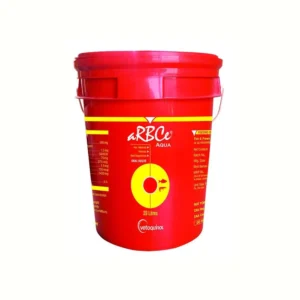 In Stock
 -
 In Stock
 -
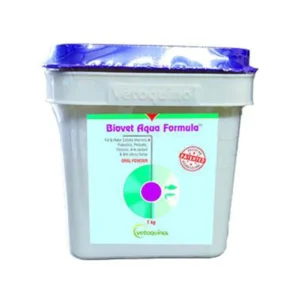 In Stock
 -
 In Stock
 -
 In Stock
 -
 In Stock
 -
 In Stock
 -
 In Stock
 -
 In Stock
Fish Health & Veterinary Supplies: A Complete Guide for Safe & Healthy Aquatic Life
Fish are one of the most sensitive species when it comes to animal healthcare. Unlike other animals, fish cannot show visible signs of pain or discomfort. Their entire well-being depends on clean water, balanced nutrition, and the right health support at the right time. Globally, it’s estimated that up to 40% of fish deaths in farms and home aquariums happen due to preventable health issues, mostly because of poor water quality, infections, and lack of early treatment.
Whether you are raising ornamental fish, running an aquarium store, or managing aquaculture species like carp, tilapia, catfish, or prawns, understanding fish health and choosing the right veterinary supplies is essential.
How to Take Care of Fish Health
1. Maintain Clean, Safe Water
- Regular water changes: Replace 20–30% of tank water weekly to remove toxins like ammonia and nitrates.
- Use proper filtration: A good filter keeps water oxygen-rich and clean. Rinse filter media using tank water, not soap.
- Dechlorinate tap water: Always add water conditioner before adding new water.
- Maintain stable temperature: Most tropical fish thrive at 24–28°C; avoid sudden fluctuations.
2. Maintain the Right Water Parameters
- pH levels: Most fish prefer pH 6.5–7.5, but requirements vary by species.
- Ammonia / Nitrite / Nitrate: Keep ammonia and nitrite at 0; nitrates should stay under 20–40 ppm.
- Use test kits: Test water weekly to detect problems early and prevent disease outbreaks.
3. Feed the Right Diet
- Species-specific nutrition: Different fish like bettas, goldfish, guppies, or cichlids have unique dietary needs.
- Control quantity: Feed what they can finish within 1–2 minutes to avoid bloating and water pollution.
- Add variety: Include freeze-dried worms, brine shrimp, algae wafers, or spirulina for balanced nutrition.
4. Avoid Overcrowding
- Choose the right tank size: Crowded tanks get dirty faster, reduce oxygen, and increase disease risk.
- Check compatibility: Some species are territorial; choose peaceful tankmates to reduce stress.
5. Keep the Aquarium Clean
- Remove uneaten food: Leftover food decomposes and releases harmful toxins.
- Clean gravel: Use a gravel vacuum during water changes to remove hidden waste.
- Control algae: Clean glass with an algae scrubber regularly.
6. Provide Proper Oxygen
- Use air pumps: Essential for tanks with many fish or during hot weather when oxygen drops.
- Ensure water movement: Surface agitation helps dissolve more oxygen.
7. Quarantine New Fish
- Isolate new arrivals for 7–14 days: Prevents spreading hidden infections to healthy fish.
- Watch for symptoms: White spots, fin damage, lethargy, or unusual swimming need attention.
8. Reduce Stress
- Add hiding spots: Plants, caves, and decorations help fish feel safe.
- Avoid tapping on the glass: Sudden vibrations frighten fish.
- Maintain routine: Keep feeding and lighting schedules consistent.
Frequently Asked Questions
Why is fish health important?
Healthy fish grow faster, live longer, and require fewer medicines. Good care can reduce mortality by up to 70% in aquariums and aquaculture systems.
How often should I check water quality?
Test weekly for home tanks and twice a week for ponds. If fish show stress, test immediately.
Can fish diseases spread to other fish?
Yes. Most infections spread rapidly through water. Quarantine sick fish immediately.
Are vitamins necessary for fish?
Yes. Vitamins help improve colour, immunity, and stress resistance—especially for ornamental species.
How many fish should be in a tank?
Follow the “1 inch of fish per 1 litre of water” guideline for home aquariums to avoid overcrowding.

 Home
Home  Wishlist
  Checkout
  Account
  Dog
Dog Cat
Cat Cattle
 Poultry
 Goats & Sheeps
 Equine
 Fish
Fish Bird
Bird Pharmacy