
Showing all 2 results
-
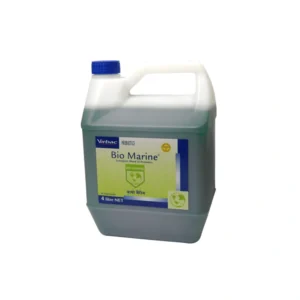 In Stock
 -
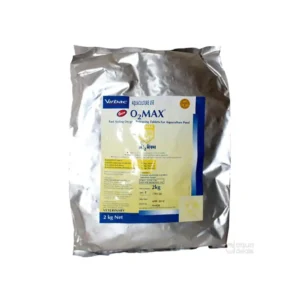 In Stock
Water quality is the backbone of fish health. Whether it’s aquaculture, small household tanks, or commercial ponds, clean, balanced water decides growth, immunity, and survival. As an animal healthcare brand, we understand that fish cannot communicate their stress in the same way that land animals do. They show no visible signs until the situation becomes serious. This is why proper water quality and timely management are essential.
Studies show that nearly 60% of fish health problems start from poor water conditions, especially fluctuations in oxygen, pH, temperature, and ammonia levels. With the right monitoring and corrections, most of these issues can be prevented even before they start.
Complete Guide to Water Quality Management in Aquaculture
Healthy water is the backbone of successful fish and shrimp farming. Whether you’re raising carp, tilapia, catla, shrimp, or ornamental species, clean and balanced water ensures strong growth, high survival rates, disease resistance, and better productivity.
Water quality can change quickly due to weather, feed, fish waste, or soil conditions. This guide explains every important parameter, why it matters, and how you can maintain it in a simple, practical way.
1. Temperature
Fish and shrimp cannot regulate their body temperature. Their growth, immunity, and appetite depend fully on water temperature. Sudden changes can lead to stress or even mortality.
Ideal temperature ranges
- Carp & Catla: 25-32°C
- Tilapia: 27-30°C
- Ornamental fish: 24-28°C
- Shrimp: 28-32°C
How to maintain it
- Use aerators in summer to reduce heat stress.
- Avoid overstocking, which increases water heating.
- In winter, use pond linings or greenhouse covers for warmth.
- Measure temperature twice a day—morning and late afternoon.
2. Dissolved Oxygen (DO)
Low oxygen is the biggest cause of sudden fish deaths. Fish become stressed, stop eating, and eventually die if the oxygen is too low.
Ideal DO level
- Above 5 mg/L at all times.
How to maintain it
- Run aerators or paddle wheels regularly.
- Avoid feeding early in the morning (DO is lowest then).
- Use probiotics to control bottom waste.
- Remove dead algae and excess feed.
3. pH Level
pH level affects plankton growth, reproduction, respiration, stress levels, and ammonia toxicity.
Ideal pH
- 6.5 to 8.5
How to maintain it
- If pH is low, use agricultural lime (CaCO₃)
- If pH is high, add molasses, increase water exchange
- Measure pH morning & evening because it fluctuates.
4. Ammonia (NH₃/NH₄⁺)
Ammonia comes from fish waste and uneaten feed. Even small quantities can damage gills and cause quick death.
Safe limit
- Less than 0.02 mg/L
How to reduce ammonia
- Do not overfeed
- Use probiotics to convert ammonia naturally
- Increase aeration
- Replace 10-20% pond water
- Apply zeolite powder to absorb ammonia
5. Nitrite (NO₂⁻)
Nitrite binds to fish blood and reduces oxygen-carrying capacity. This causes brown blood disease, one of the most dangerous pond issues.
Safe limit
- Below 0.1 mg/L
How to control it
- Add salt (3-5 ppt) to protect gills
- Use nitrifying probiotics
- Increase aeration
- Reduce high-protein feed to prevent excess nitrogen
6. Nitrate (NO₃⁻)
Nitrate is less toxic but can cause stress, algal blooms, and poor water clarity.
Safe limit
- Below 50 mg/L
How to maintain it
- Partial water exchange every 2–3 weeks
- Don’t overfeed
- Encourage growth of aquatic plants (they absorb nitrate)
7. Hardness
Hardness helps with bone development in fish, shell formation in shrimp, and, most importantly, stability of pH.
Ideal range
- 50-150 ppm
How to maintain it
- For low hardness, use gypsum
- For high hardness, increase water exchange
8. Alkalinity
Alkalinity keeps pH stable and supports healthy plankton levels.
Ideal alkalinity
- 80-120 ppm
How to maintain it
- Use lime regularly (CaCO₃ or CaO)
- For high alkalinity, add fresh water or rainwater
9. Turbidity (Water Clarity)
Turbidity affects light penetration, plankton growth, oxygen balance, and photosynthesis.
Ideal turbidity
- 15-40 cm
How to maintain it
- Too muddy, apply lime or prevent soil runoff
- Too clear, add organic manure in controlled amounts to promote plankton
10. Salinity
Shrimp, seabass, and brackish fish need proper salinity to survive and grow.
Ideal salinity
- Shrimp: 10-30 ppt
- Seabass: 15-30 ppt
How to manage it
- Mix freshwater and seawater carefully
- Reduce salinity during the monsoon using freshwater
- Check salinity weekly using a hydrometer
Frequently Asked Questions
1. Why is water quality so important for fish?
Fish live in the water 24/7, so any change directly affects their health. Poor water quality causes stress, slow growth, and diseases.
2. How often should I test the water?
Basic parameters like pH and ammonia should be tested twice a week. For ponds, oxygen should be checked daily during early mornings.
3. What should I do if ammonia levels rise?
Reduce feeding, increase aeration, change 20–30% water, and clean filters. Using probiotics helps reduce waste.
4. How can I keep oxygen levels stable?
Use aerators, avoid overstocking, and remove extra organic matter. Oxygen drops most during early morning hours.
5. Which temperature is ideal for fish?
Most fish stay healthy between 24–30°C, but exact needs depend on species.
6. Can poor water quality cause fish deaths?
Yes. Studies show that more than 70% of fish mortality cases in aquaculture are linked to poor water quality.
7. Do small home aquariums need the same care?
Yes, even more. Small volumes change faster, so regular monitoring is essential.

 Home
Home  Wishlist
  Checkout
  Account
  Dog
Dog Cat
Cat Cattle
 Poultry
 Goats & Sheeps
 Equine
 Fish
Fish Bird
Bird Pharmacy