
Showing 49–68 of 68 results
-
 In Stock
 -
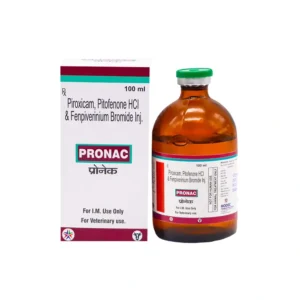 In Stock
 -
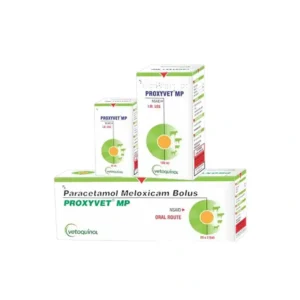 In Stock
 -
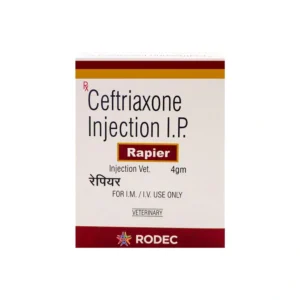 In Stock
 -
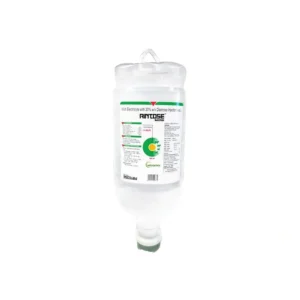 In Stock
 -
 In Stock
 -
 In Stock
 -
 In Stock
 -
 In Stock
 -
 In Stock
 -
 In Stock
 -
 In Stock
 -
 In Stock
 -
 In Stock
 -
 In Stock
 -
 In Stock
 -
 In Stock
 -
 In Stock
 -
 In Stock
 -
 In Stock
Goats & Sheep Health and Veterinary Supplies: Ensuring Comfort, Productivity, and Disease Prevention
The ultimate objective of animal healthcare is to keep sheep and goats comfortable, healthy, and productive; not just to cure illness. The livelihoods of many farmers depend on these tiny ruminants. Whole flocks are at risk, milk yield declines, and breeding fails when their health deteriorates. Preventive care, cautious management, and high-quality veterinary supplies are therefore crucial. Nutrition, housing, management, disease prevention, veterinary supplies, and support for veterinary care are all covered in this guide to help keep goats and sheep healthy.
How to Ensure Proper Goats & Sheep Health and Veterinary Supplies
Nutrition & Feeding
Their diet is the first step towards good health. Sheep and goats require diets that are balanced according to their stages of growth, lactation, or maintenance. Minerals like calcium and phosphorus, vitamins A, D, and E, and protein (from grains or legumes) are examples of high-quality nutrients. For instance, young lambs and kids require rich starter feed to grow strong, and pregnant does/ewes require additional mineral support to prevent pregnancy toxaemia.
Feed quality is important; avoid mould, tainted hay, and excessively moist feed. Always supply fresh, clean water; it’s important but frequently disregarded. Mineral mixtures, electrolyte solutions for heat or stress, and probiotics to help with digestion are also beneficial.
Housing, Hygiene & Environmental Management
Sheep and goats need shelter that can withstand harsh weather conditions like rain, cold, and heat. Dry, well-ventilated housing with clean bedding is ideal. Mud and moisture breed foot rot, respiratory problems, and parasites. Housing floors with adequate drainage are beneficial.
Maintaining hygiene also entails clearing manure, cleaning water troughs, and feeders. Quarantine new animals for a few days before introducing them. Change bedding when dirty. Control external (ticks, lice) and internal (worms) parasites.
Veterinary Supplies & Preventive Care
Having the correct supplies ready before emergencies make a big difference. Key supplies include:
- Vaccines: To prevent diseases like enterotoxemia, tetanus, foot rot, and sheep & goat pox. Follow a suitable vaccination schedule annually or according to regional guidelines.
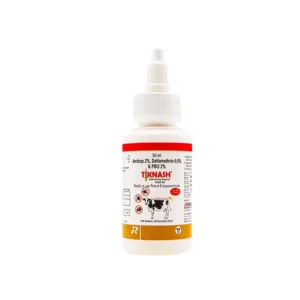
- Dewormers: Use broad-spectrum or targeted dewormers as needed. Follow veterinary guidance to prevent resistance.
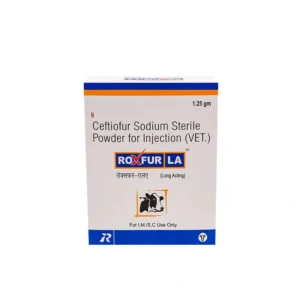
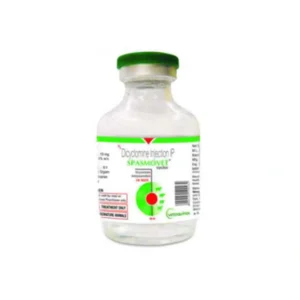
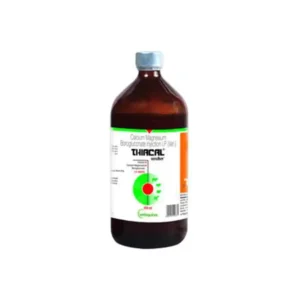
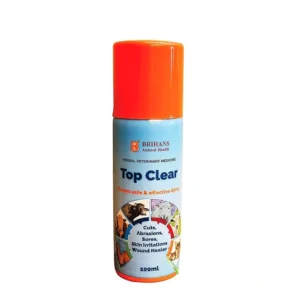
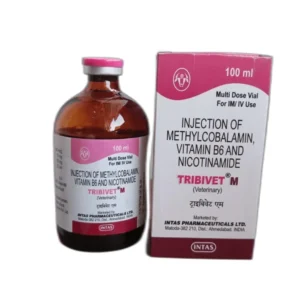
- Treatment of wounds & emergencies: Mineral blocks, nutritional supplements, clean bandages, disinfectants, antiseptic sprays, electrolytes, antifungals, antibacterials, syringes, needles, and restraint equipment. Ensure products are from reliable sources, stored properly, and used before expiry.
Breeding & Reproductive Care
Healthy reproduction keeps flocks sustainable. Monitor heat cycles and detect estrus accurately. Use artificial insemination (AI) if available with proper semen quality and handling. Nutrition plays a key role: pregnant does/ewes need richer feed, especially in late pregnancy. Provide clean bedding and good hygiene during kidding/lambing to reduce complications like mastitis or kid/lamb mortality. Ensure neonates receive colostrum early for immunity.
Disease Prevention & Veterinary Care
Preventive healthcare ensures flock sustainability. Monitor heat cycles and estrus, follow AI practices when applicable, maintain nutrition during pregnancy, provide clean housing and bedding, and ensure newborns receive colostrum promptly to boost immunity.
Frequently Asked Questions
What is the vaccination schedule for goats & sheep?
Vaccinate at birth (tetanus), then follow with PPR, sheep & goat pox, and enterotoxemia according to regional guidelines. Annual booster shots are important. Always consult a local veterinarian.
How often should deworming be done?
Every herd should be dewormed regularly, often every 2-3 months, depending on parasite pressure. Young animals need more frequent doses. Conduct faecal tests to guide type and frequency.
What supplies should I always have ready on the farm?
Keep a basic first-aid kit: disinfectant, bandages, syringes, dewormers, probiotics, electrolytes, mineral supplements, vaccines, and calmants. Using high-quality veterinary products ensures you can act quickly and safely.
How should housing be maintained for goat & sheep health?
Housing should be dry, sheltered, and well-ventilated. Replace bedding regularly. Ensure floors are drained. Isolate new animals. Clean water and feed troughs regularly. Proper housing reduces parasites, respiratory problems, and improves comfort.
Can goats and sheep have supplements? Are they safe?
Yes, when chosen properly. Supplements for minerals, energy, and immunity can improve performance. Always follow vet-recommended doses. Overuse or unverified brands may be harmful.

 Home
Home  Wishlist
  Checkout
  Account
  Dog
Dog Cat
Cat Cattle
 Poultry
 Goats & Sheeps
 Equine
 Fish
Fish Bird
Bird Pharmacy