
Showing all 20 results
-
 In Stock
 -
 In Stock
 -
 In Stock
 -
 In Stock
 -
 In Stock
 -
-
-
 In Stock
 -
 In Stock
 -
 In Stock
 -
 In Stock
 -
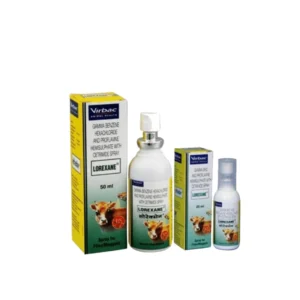 In Stock
 -
-
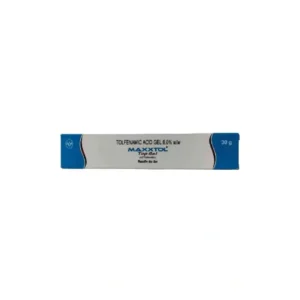 In Stock
 -
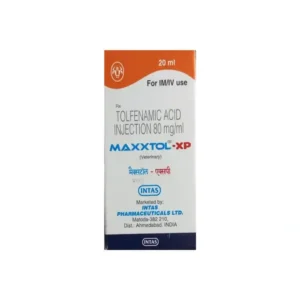 In Stock
 -
-
-
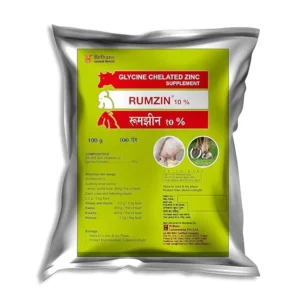 In Stock
 -
-
 In Stock
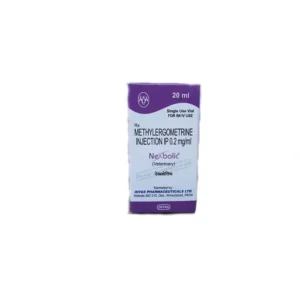
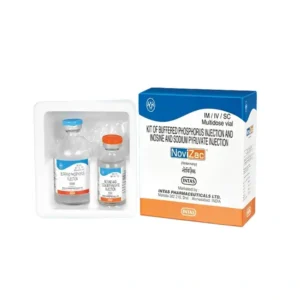
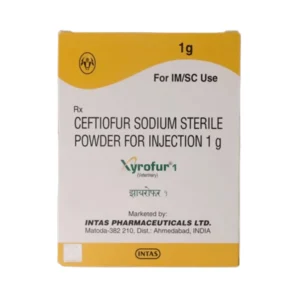
At myanimal, we recognise that healthy nutrition is the foundation of good animal healthcare, and it’s even more important for horses. Horses are not only powerful creatures; they are also workers, friends, and frequently a part of our emotional lives. Whether in the fields, on farms, at races, or just as your faithful companion, they give their all every day. A proper feed and nutrition plan is crucial to maintaining their health, activity level, and disease-free status.
Weakness, digestive problems, dull coats, and chronic illnesses can result from improper feeding or an unbalanced diet. Our mission is to ensure each horse gets what it truly needs so that it can not only survive but flourish with vitality and strength.
How to Ensure Proper Horse Feeding & Nutrition
Every horse is different; age, weight, activity level, and environment all affect nutritional requirements. Feeding correctly ensures good physical health, emotional balance, and sustained energy. Key practices include:
1. Understand Your Horse’s Nutritional Needs: Horses need a healthy combination of vitamins, minerals, protein, fibre, and energy. Roughage such as grass, hay, or haylage should be the mainstay of the diet to promote gut health and aid digestion.
- Forage first: Horses should consume 1.5%–2.5% of their body weight in forage daily.
- Energy sources: Grains like corn, barley, and oats provide energy but should be given in moderation.
- Protein: Found in alfalfa or soybean meal, essential for muscle development and repair.
- Vitamins and minerals: Calcium, phosphorus, and salt are crucial for bone strength and nerve function.
- Clean water: Ensure constant access to fresh water to prevent stress and colic.
2. Feed According to Age & Activity: Nutritional needs vary by life stage and activity level.
- Foals and young horses: Higher protein for growth and bone development.
- Adult horses: Balanced diet with sufficient energy and fibre.
- Working or racing horses: Extra energy, proteins, and electrolytes for stamina and muscle maintenance.
- Pregnant or nursing mares: Additional nutrients for foal development and milk production.
3. Maintain a Regular Feeding Schedule: Horses thrive on routine. Feed smaller portions throughout the day instead of one large meal. Avoid abrupt feed changes—transition gradually to prevent digestive issues or colic.
4. Observe Behaviour & Health Regularly: Indicators of good health include a shiny coat, bright eyes, stable weight, and active movement. Consult a veterinarian if you notice dullness, sudden weight loss, or decreased appetite. Myanimal also provides professional veterinary consultations for diet planning, supplements, and feeding guidance.
5. Use Supplements When Needed: Even a balanced diet may not cover all requirements, particularly for performance horses or those with medical conditions. Supplements can help address deficiencies, including:
- Minerals and vitamins: For strong bones and muscles.
- Electrolytes: To prevent dehydration.
- Joint care supplements: For older or highly active horses.
- Probiotics: To support gut health and digestion.
Supplements should complement, not replace, quality feed. Always consult a professional before introducing new supplements.
6. Monitor Weight & Body Condition: Regularly check your horse’s body condition. Ribs should be felt but not overly visible. Adjust feed if underweight or overweight. Veterinary-approved nutrition plans help maintain optimal weight and performance.
7. Seasonal Care & Feeding: Nutritional needs vary by season:
- Summer: Hydration, electrolytes, and easily digestible feed.
- Winter: Energy-rich feeds to maintain warmth.
- Rainy season: Ensure hay and water are free from fungal contamination.
Proper seasonal management prevents common issues such as fungal infections, colic, and dehydration.
Frequently Asked Questions
1. How many times should I feed my horse in a day?
Feed small portions 3–4 times daily rather than one large meal to support digestion and keep your horse calm and active.
2. What’s the best feed for performance horses?
High-energy feed rich in grains, proteins, and minerals, supplemented with electrolytes or joint care as advised by a veterinarian.
3. Can I give fruits or vegetables to my horse?
Yes, treats like apples, carrots, and watermelon are suitable. Avoid excessive sugar or spoiled foods.
4. How can I tell if my horse’s diet is balanced?
Look for a shiny coat, strong hooves, and steady weight. Consult a veterinarian if the horse appears dull, fatigued, or loses weight suddenly.

 Home
Home  Wishlist
  Checkout
  Account
  Dog
Dog Cat
Cat Cattle
 Poultry
 Goats & Sheeps
 Equine
 Fish
Fish Bird
Bird Pharmacy