
Showing the single result
-
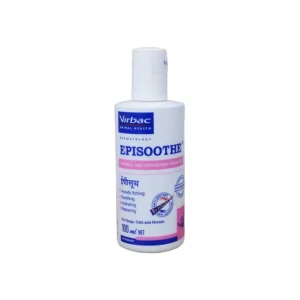 In Stock
As part of our commitment to holistic animal healthcare, we recognise that caring for horses extends beyond feed and grooming; it encompasses providing the right stable supplies, creating a safe environment, and addressing their health and comfort needs. A well-equipped stable means a healthier, happier horse.
How to Ensure Your Stable Is Fully Equipped
1. Feeding & Watering Equipment
Proper nutrition and hydration are foundational for a horse’s health and performance. Use sturdy feed tubs or buckets with smooth interiors to prevent feed from getting trapped. Water buckets should be changed daily, and consider automatic waterers or frost-protected options in cold regions. Hay nets or slow-feed systems help manage grazing behaviour and assist in digestive health. A feed room or storage bin helps keep feed clean and free from pests.
2. Grooming & Comfort Items
Grooming is both care and bonding. Make sure you have hoof picks, curry combs, body brushes, mane/tail combs, and sweat scrapers. These help maintain coat health, remove debris, and detect skin or hoof problems early. Good bedding, such as straw or wood shavings, keeps your horse comfortable, reduces stress on joints, and supports better rest. A well-groomed horse is less prone to skin issues and more likely to be comfortable and safe.
3. Cleaning, Hygiene & Bio-security
Stalls and aisles must be cleaned daily. Equip your stable with muck forks, wheelbarrows, stall fresheners, disinfectants, and adequate ventilation. Good hygiene prevents respiratory issues, parasite buildup, and hoof infections. Having access to cleaning supplies and organised tack rooms contributes to robust animal healthcare practices. A clean stable equals reduced vet visits.
4. Safety & Emergency Supplies
Safety gear and emergency readiness are vital. Install fire extinguishers, keep first-aid kits stocked with wound dressings, antiseptic sprays, digital thermometers, tick removers, and record sheets for health tracking. Ensure gates and stall doors have secure latches and clear escape routes in case of an emergency. By preparing for the unexpected, you uphold strong animal healthcare standards and reduce risk.
5. Equipment & Stable Organisation
A well-organised stable helps you stay efficient and responsive. Storage racks for tack, labelled feed containers, hooks for bridles and halters, and clear aisles all help you manage your horse’s environment. Proper equipment avoids clutter, which reduces accidents and stress for both the animal and handler. Tools like snag-free buckets and quality mats in stalls contribute to a smooth, safe, stable.
6. Monitoring & Comfort Enhancements
Adding tools like slow-feed hay nets, fly masks/sheets, insulated buckets, and stall boots helps address comfort and health subtleties, especially for performance horses or horses that stay stalled for long periods. Monitoring behaviour during grooming or feeding times gives you early signs of discomfort or illness, supporting your overarching goal of proactive animal healthcare.
FAQs
1. What basic supplies should every horse stable have?
Every stable should include feed and water buckets, grooming tools (brushes, hoof pick), stall bedding, mucking tools, and a first-aid kit. These essentials keep your horse healthy and comfortable.
2. How often should I clean the stall and equipment?
Stalls should be mucked out at least once daily, with bedding refreshed as needed. Cleaning tack and equipment weekly helps prevent skin issues and maintains organisation.
3. What should be included in an emergency stable kit?
Your kit should contain wound dressings, antiseptic sprays, thermometers, tick removers, a digital thermometer, disposable gloves, and contact information for a vet. That supports swift action and better animal outcomes.
4. Why is a slow-feed or proper hay system important?
Slow-feed systems or hay nets help regulate grazing, reduce waste, and support digestive health. Horses eating too quickly or sitting idle can develop issues like gastric ulcers.
5. How do grooming supplies tie into animal healthcare?
Grooming tools help remove debris, detect early skin or hoof conditions, and reduce stress. Good grooming is both care and prevention, a vital part of horse wellbeing.

 Home
Home  Wishlist
  Checkout
  Account
  Dog
Dog Cat
Cat Cattle
 Poultry
 Goats & Sheeps
 Equine
 Fish
Fish Bird
Bird Pharmacy